IMAP News March 2025
Insulators Member Assistance Program Update
Mental Health in the Workplace
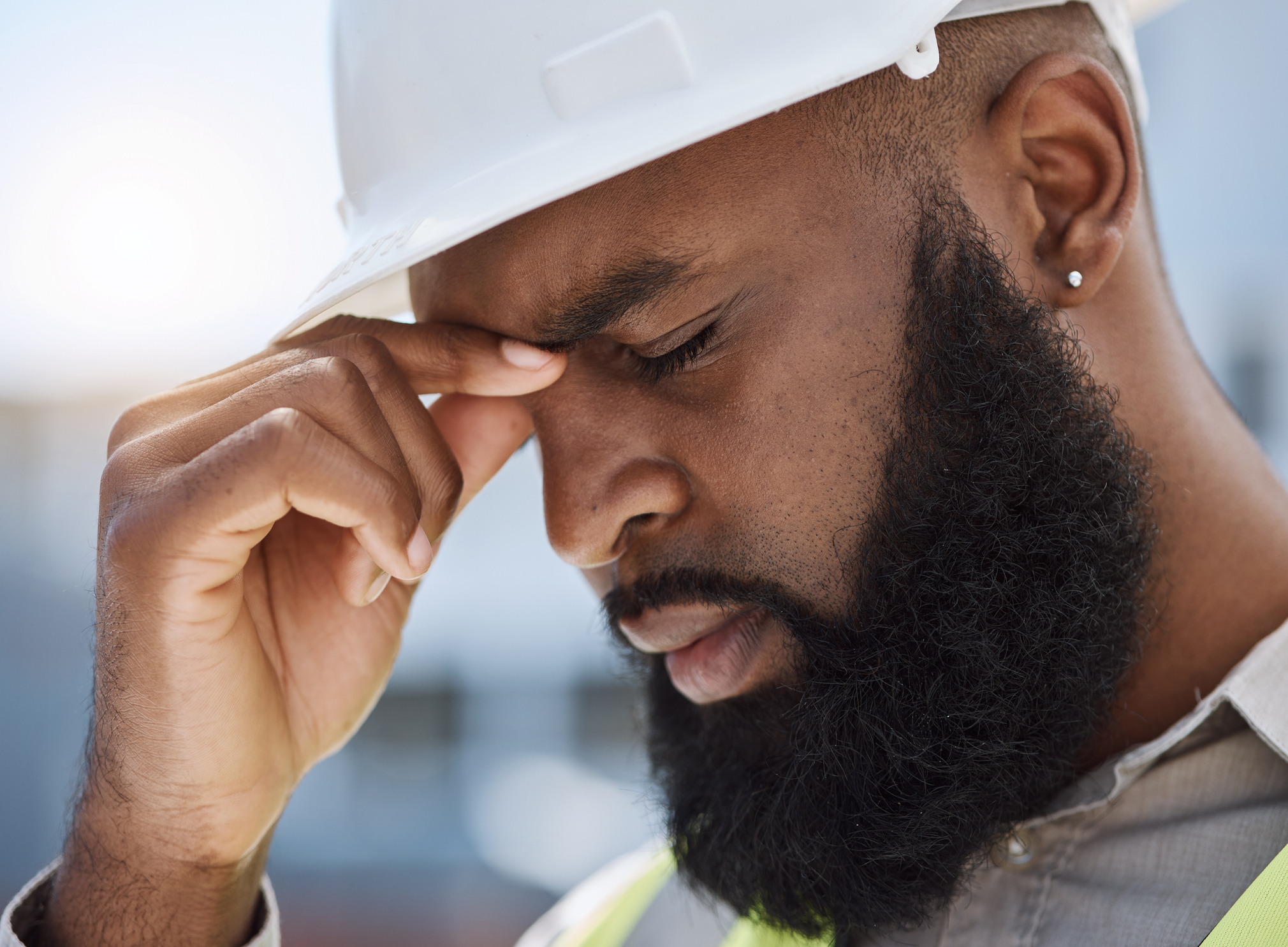
A recent poll by the National Alliance on Mental Illness (NAMI) revealed that employees who are uncomfortable discussing mental health at work are more likely to experience burnout.
- 52% of workers reported burnout in the past year.
- 37% said they had difficulty performing their jobs due to emotional overwhelm.
Mental health challenges can manifest as changes in performance, attendance, mood, and overall attitude.
As a leader, it’s crucial to acknowledge these challenges and foster a culture of open communication about mental health to improve well-being and productivity.
Download the AllOneHealth guide for steps for organizational leaders to promote mental health, communicate effectively and foster a supportive work environment.
Recognizing Triggers and Developing Coping Skills to Maintain Recovery on St. Patrick’s Day

St. Patrick’s Day is technically a day to observe the death of the patron saint of Ireland, but Americans celebrate by wearing green, eating corned beef and cabbage, and drinking beer and Irish whiskey – and we drink a lot on St. Patrick’s Day. If you are newly sober or are struggling with your recovery, that can be a source of stress. Recognizing triggers and developing coping skills can help you maintain recovery on a day when drinking is so prevalent.
How Sleep Affects Mental Health
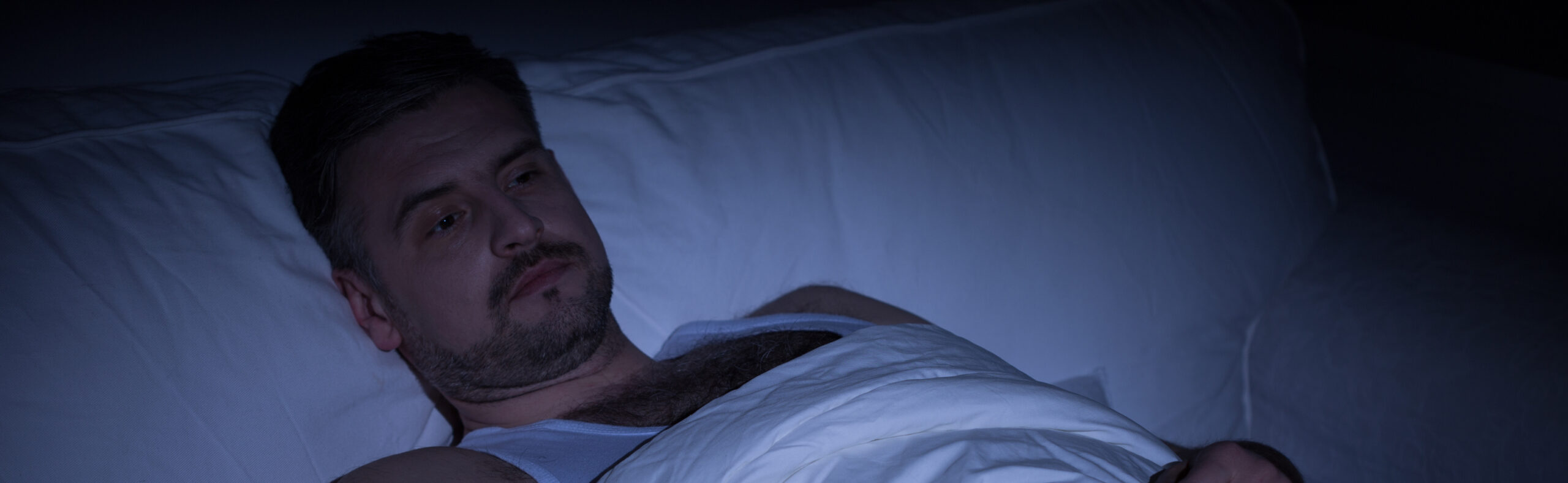
Sleep is critical to mental and physical health. It allows for your body to recharge and your brain to heal and process the day’s events. Unfortunately about 37 percent of Americans get fewer than the recommended 7 hours of sleep per night. While most people can recover from a short-term spell of poor sleep, chronic sleep deprivation can take a serious toll on your health, especially your mental health.
In March, we recognize both Sleep Awareness Week (March 9-15) and World Sleep Day (March 14), which aim to remind us that sleep is core to our health and help identify ways to improve the quality of our sleep.
Sleep Directly Affects Our Mental Health Podcast
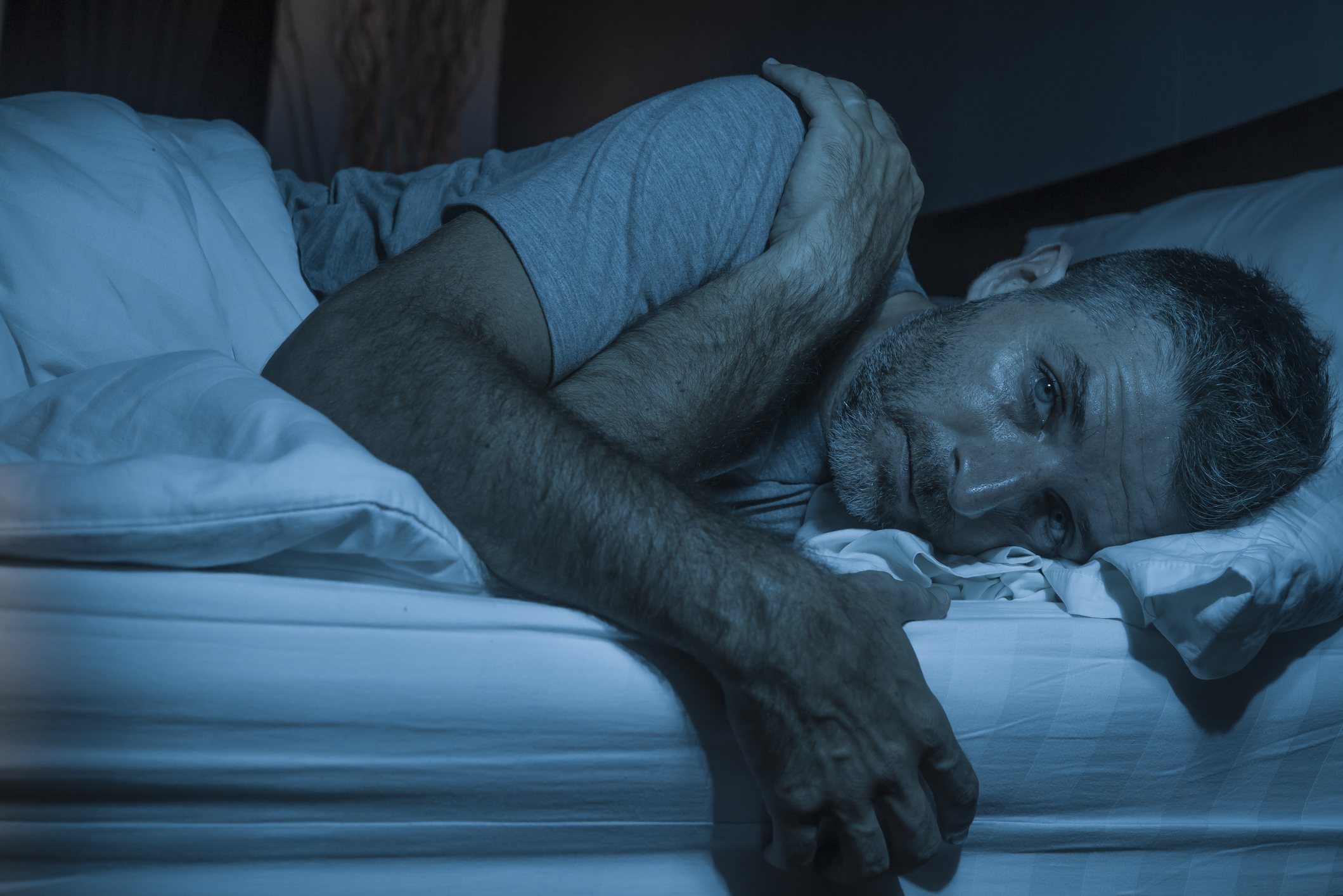
The amount of quality sleep directly affects our mental health. Experts say we need between 7-9 hours a day in order for our bodies and minds to fully recover.
Adults who sleep less than seven hours each night are more likely to say they have had health problems, including heart attack, asthma, and depression. (cdc.gov)
Individuals who work the night shift, such as construction workers, tend to get 2-4 hours less than required, and a lot of the time, these hours are broken up throughout the day. Chris Crowley and Danielle Cook explain the importance of sleep on our physical and mental health while also giving practical solutions to those whose job does not allow for 7-9 continuous hours of rest. This podcast will give those struggling with sleep disorders education and provide hope that there are ways to help your body get the rest it needs.
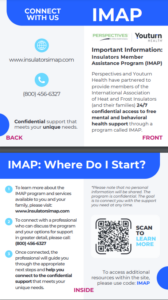
IMAP Wallet Card
Relapse Prevention
John Watson on Overcoming a 22-Year Opioid Addiction
Listen to John Watson tell his story about how opioids highjacked his brain, stole years of his life and almost killed him. Despite knowing he was on a downward spiral for years, his family never turned their back on him.
If you want to better understand the realities of opioid addiction and gain hope when it seems all is lost, listen to John’s story and you will know that everyone can recover.
Recovery, Relapse, Abstinence: Your Journey is Unique
This Critical Conversation was taped 2 years ago. Some of the opinions have certainly changed. We don’t have all the answers and don’t pretend to. The bottom line is everyone’s journey is unique and just because we don’t understand, this does not leave room for judgment. Open minds create change.
Featured Courses
To access the YouTurn Featured Courses, click on the course and login with your existing account.
If you do not have an account, click on the button to register for an account.
Please note, the code is IMAP.
Relapse Prevention Course
Solomon’s Story
Critical Conversations: The Stigma of Addiction