
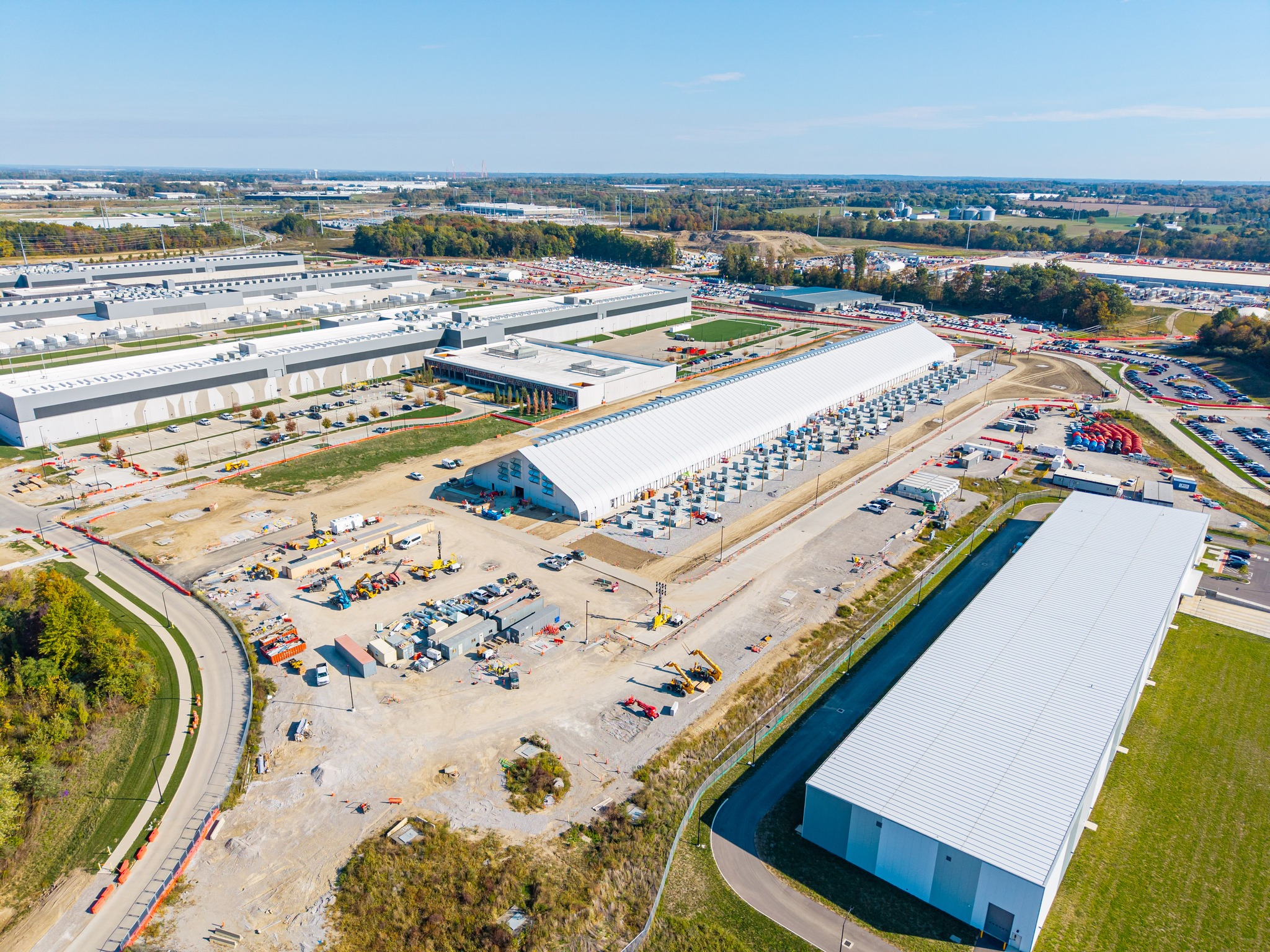
AI is no longer a future concept; it is actively reshaping construction demand, project delivery and expectations for building performance.
For the mechanical insulation industry, the most immediate and measurable impact is the rapid expansion of AI data center construction.
Data centers require high-performance mechanical systems, especially cooling infrastructure, which makes mechanical insulation a critical part of the conversation, not only for energy efficiency, but also for reliability, condensation control and long-term operating cost.
How AI is changing construction demand
AI adoption is increasing the need for:
- More data center capacity to process and store data
- Higher power density facilities to support AI workloads
- Advanced cooling systems that operate efficiently, 24/7
- Tighter performance standards tied to energy use and sustainability
As these facilities scale, so does the demand for properly designed and installed insulation systems that support thermal performance and protect mechanical assets.
AI-driven growth in data center construction
Data center construction is accelerating at a historic pace.
- In the U.S., data center construction starts reached $25.2 billion in January 2026.
- Globally, an estimated 100 GW of new data center capacity is expected between 2026 and 2030, effectively doubling worldwide capacity.
- The U.S. alone could add 97 GW over that same period.
By 2030, the sector may require up to $3 trillion in infrastructure investment, with a projected 14 percent compound annual growth rate (CAGR).
For mechanical insulation contractors, these numbers translate into sustained demand for work tied to chilled water systems, refrigeration piping, ductwork, equipment insulation and condensation control.
Major data center projects shaping the industry
Below are some examples of high-profile projects that illustrate the scale and geographic spread of current development.
The Ohio Data Center Boom
Ohio has become a hotbed for data center construction in the U.S., led by Amazon Web Services.
Across Ohio, Amazon has invested more than $19.7 billion to build cloud computing infrastructure. By 2030, AWS investment toward datacenter expansion is forecasted to surpass $23 billion — one of the most significant private investment commitments in the state’s history. They are constructing campuses throughout Central Ohio and moving into other areas of the state including Southwestern and Southern Ohio.
Besides Amazon, other industry titans are building in Ohio including:
- Google, which is investing over $6.7 billion into multiple data center campuses in Central Ohio
- Aligned Data Centers is constructing two campuses – one in Sandusky and the other in Coshocton County – and each will have a price tag of at least $1 billion
- QTS is spending $1.5 billion to build two campuses in Central Ohio
- Meta has expanded its footprint throughout the state including:
- $1.5 billion data center campus in Central Ohio
- An $800 million campus in Northwest Ohio
- At least 10 other data center projects are in various approval stages throughout the state as well, with most expecting to cost at least $1 billion
Microsoft Data Center Campus | Mount Pleasant, Wisc.
Microsoft developed a large data center campus in Mount Pleasant, Wisc. The company acquired 315 acres for the project, estimated at $1 billion, which was completed at the end of 2025. The campus includes multiple data halls designed for high-performance computing and AI applications.
Oracle Stargate Project | Texas
Oracle, in partnership with OpenAI and SoftBank, is launching a major AI-focused initiative in Texas. The project includes an initial $100 billion investment in data centers and power generation facilities and is part of a broader $500 billion plan over five years.
Since AI workloads require higher power densities and advanced cooling, projects like this place a premium on mechanical system performance and on insulation quality.
Meta Data Center Expansion | Kansas City, Mo.
Meta is building a new $800 million facility in Kansas City, Mo., designed to support AI-driven applications and cloud storage. The project includes advanced cooling and energy-efficient technologies and is expected to prioritize renewable energy.
AWS Data Center Campus | Northern Virginia
AWS continues expanding in Northern Virginia, reinforcing the region’s position as the world’s largest data center market. The new campus will add high-performance computing facilities supporting ongoing growth.
Google Data Center | Lincoln, Neb.
Construction wrapped up in mid-2025 on a $600 million Google data center, which is located on 600 acres in Lincoln, Neb. The site was selected for electricity costs, land availability and a favorable business environment.
These projects represent only a portion of what is underway, signaling strong, ongoing demand for data center construction.
Oracle’s transformation and what it signals for the market
Oracle’s evolution is a clear indicator of how quickly the infrastructure landscape is shifting.
In 2026, Oracle had moved from a traditional database company into a major cloud infrastructure developer. This shift is reflected in its metrics, including Remaining Performance Obligations rising 438 percent year-over-year to $523 billion in Q2 FY2026.
Oracle is building 72 multi-cloud data centers across major cloud providers including Amazon, Google and Microsoft, and now operates in over 211 live and planned cloud regions globally.
For the mechanical insulation industry, this signals a long runway of construction and retrofit demand tied to cloud growth.
Why mechanical insulation matters in data centers
Data centers are not typical commercial buildings. They operate continuously and are engineered to maintain strict temperature and humidity conditions.
Mechanical insulation supports:
- Energy efficiency by reducing heat gain/loss in piping and duct systems
- Condensation control in chilled water and low-temperature applications
- System reliability by helping equipment run within design conditions
- Safety and durability through proper protection of hot and cold surfaces
As AI increases the need for data centers, it increases the need for high-quality mechanical insulation.
Energy demand, onsite power and sustainability
AI-driven growth is also increasing electricity demand. In many regions, power needs are outpacing traditional grid capacity.
As a result, data centers are increasingly adopting:
- Onsite power generation
- Behind-the-meter solutions
These approaches can speed deployment, reduce grid congestion, minimize transmission losses and improve reliability.
By 2030, it is anticipated that roughly 30 percent of data center sites will use onsite power as a primary energy source. To meet demand while supporting decarbonization goals, the industry is exploring options such as natural gas generation and small modular reactors (SMRs).
From a mechanical perspective, these shifts can expand the range of systems that require insulation, including additional piping, heat recovery and process equipment.
Preparing the workforce for industry growth
The opportunity is clear, but capacity will determine who captures it. The mechanical insulation industry must be prepared to scale workforce pipelines through:
- Apprenticeship recruitment and retention
- Expanded training capacity
- Coordination among Locals Unions, signatory contractors, manufacturers and distributors
The North America’s Building Trades Unions (NABTU) has been addressing these challenges for years.
In March 2026, NABTU collaborated with BlackRock to promote responsible infrastructure investment, fair labor practices and workforce development across the U.S. construction sector.
NABTU’s BlackRock partnership: what it is and why it matters
The NABTUBlackRock partnership is designed to align private capital investment with high labor standards and workforce development.
BlackRock manages $17 billion in U.S. real estate and infrastructure assets and has implemented a Responsible Contractor Policy (RCP) focused on fair wages, training and safe working conditions. NABTU, representing more than 3 million skilled craft professionals, supports this policy to strengthen economic stability and expand career opportunities.
Key goals and initiatives:
- Promoting fair wages and benefits on BlackRock-funded projects
- Workforce development and apprenticeships, including sustained training investment
- Responsible infrastructure investment that supports quality, safety and schedule performance
- Scaling solutions for workforce gaps through recruitment, mentorship and Earn While You Learn pathways
NABTU and its contractor partners invest over $1 billion annually in training to develop a safe, skilled and productive workforce.
The road ahead for the mechanical insulation industry
Regardless of differing views on AI, its impact on infrastructure construction over the next decade will be significant. Data centers, power generation and advanced mechanical systems will continue to expand, and mechanical insulation will remain a foundational requirement for performance.
The next step is preparation:
- Contractors: Build capacity, pursue data center work and invest in specialized training
- Local Unions and Training Centers: Expand recruitment and ensure readiness for high-demand projects
- Owners and project teams: Prioritize mechanical insulation quality as part of reliability and energy strategy
AI is changing what gets built. The mechanical insulation industry has a clear opportunity to lead in the infrastructure buildout that follows.