
IMAP News November 2025
Insulators Member Assistance Program Update
Insulators Southwestern States Conference focuses on Mental Health
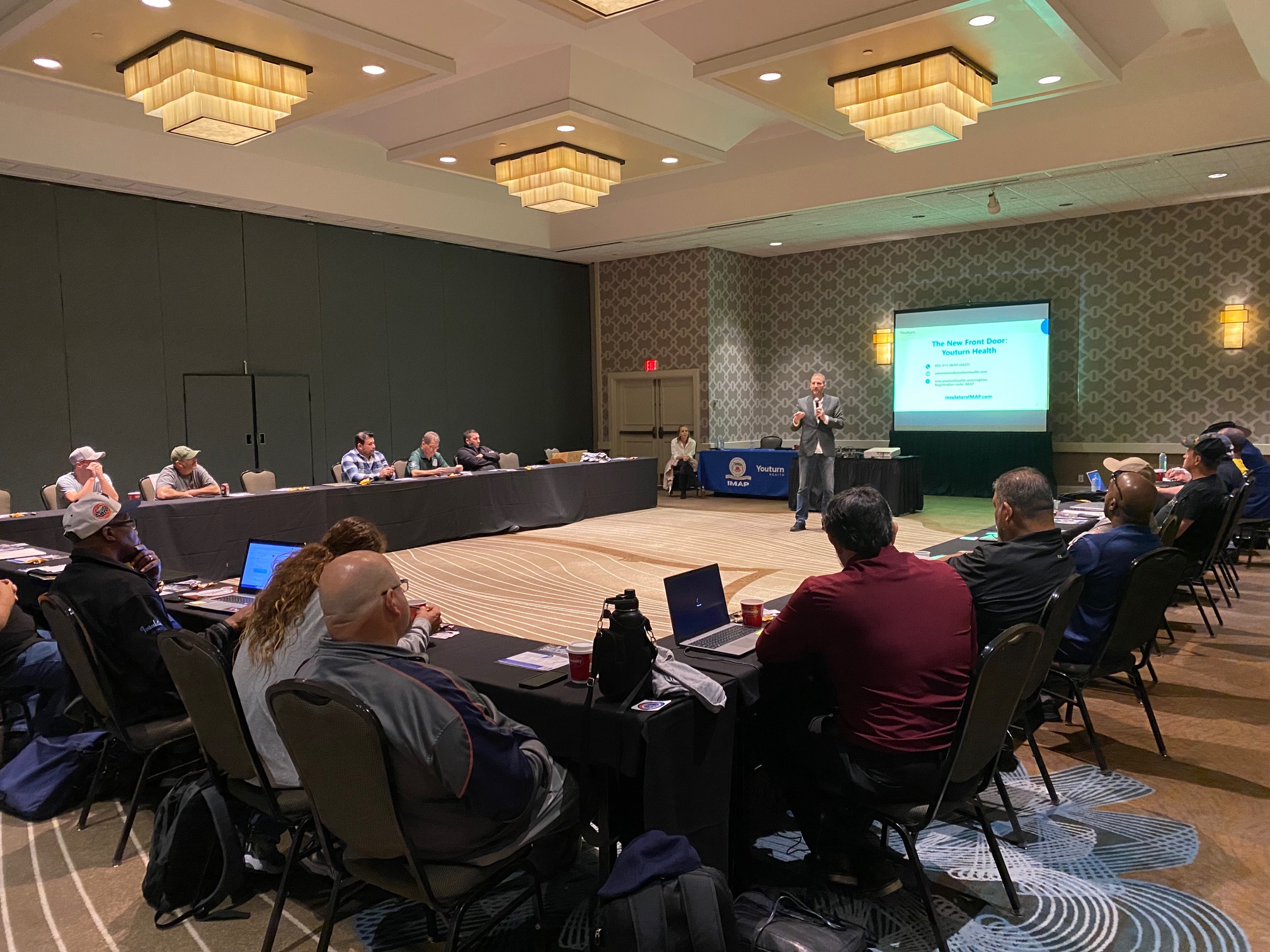
On Oct. 28, Youturn Health, which partners with the Insulators Membership Assistance Program (IMAP), led a dedicated awareness and training session for International Association of Heat and Frost Insulators and Allied Workers leaders at the Insulators Southwestern States Conference meeting in Tulsa, Okla.
The overarching goal of IMPA remains clear – to ensure every member has access to confidential, high-quality mental health support.
Southwestern States Conference International Vice President Leo Damaris and Southwestern States Conference President Roger Brown II invited the IMAP team to the conference’s meeting to present on mental health awareness and IMAP protocols to affiliated Local Union leadership.
Register Now: IMAP Monthly Town Halls On Behavioral Health In The Workplace

We’ve had an amazing response to Youturn Health and the Insulators Member Assistance Program (IMAP), in no small part to the dedication of the Local Business Managers and Union Leaders who helped us spread the word. Thank you for your support and dedication!
In an effort to bring Local Leaders together, we’re launching monthly IMAP Town Hall meetings. Each month, Youturn Health will cover a topic related to behavioral health, touch on trends in the industry and provide updates on the IMAP program.
Each Town Hall will also have a dedicated time for Q&A for attendees to ask questions and share what’s working for their Locals.
The following are the details for the next three meetings.
Recognizing And Responding To Mental Health Challenges
Wednesday, November 12
2-3 p.m. EST
As managers and leaders in the construction industry, it’s critical to recognize when an employee may be struggling with a mental health-related challenge. This session will help you feel more at ease approaching a coworker about their mental health as we walk through:
- Early warning signs of stress, anxiety, depression and burnout
- How to have a conversation with an employee about their mental health
- Available mental health resources to support your employees
Substance Use In The Workplace Awareness And Support
Tuesday, December 9
2-3 p.m. EST
You don’t have to wait until someone hits rock bottom to get them help for a substance use issue. In fact, if it’s addressed early enough, many people are able to self-correct their substance use without having to go to treatment. This session will address:
- The signs of workplace impairment
- Reducing stigma around substance use challenges
- How to respond compassionately and constructively when you’re concerned about an employee’s substance use
Enhancing Resilience and Stress Management for Team
Tuesday, January 13, 2026
2-3 p.m. EST
Practicing stress management and positive psychology can help build resilience to better face life’s challenges. Oftentimes, a simple stress management technique only takes a few minutes and can have far-reaching benefits. In this session, we’ll discuss:
- Why it’s important to help employees manage their stress
- The importance of finding meaning and connecting to your life’s purpose
- Practical resilience-building exercises leaders can introduce in daily workflows
Rich’s Rants
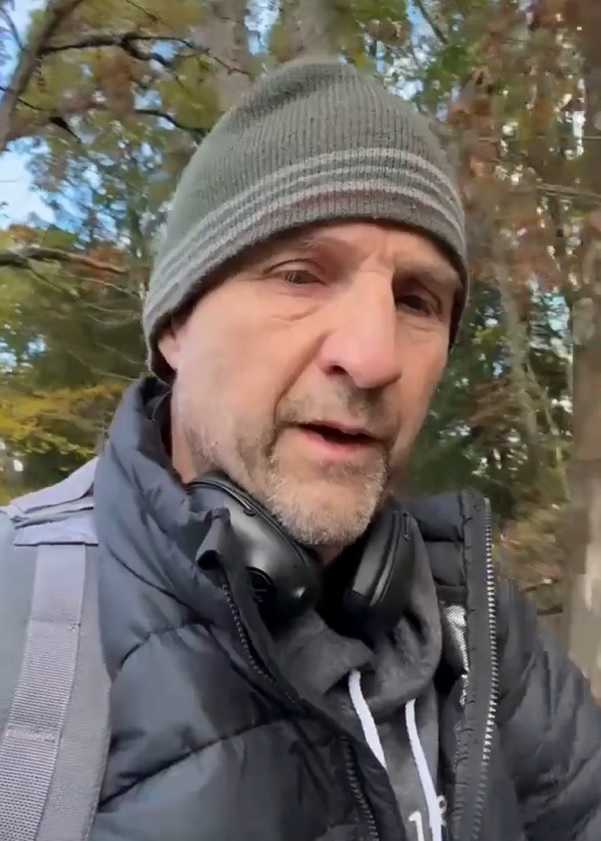
Each month, the LMCT IMAP Newsletter will feature the “rants” of Youturn Health Chief Clinical Officer Rich Jones.
Check out these short vidoes as Rich, who is recognized nationally as a subject matter expert on substance use disorder (SUD) and healthcare and recovery integration, introduces viewers to concepts and ideas that can help you make it through the day after dealing with stress and everyday issues.
Military/Veteran Month

Veteran Mental Health: How to Get Help
As we approach Veterans’ Day this year, we want to not only recognize and thank military veterans for their service to the country but also bring attention to the importance of veteran mental health.
Serving in the military can be stressful and traumatic, and our heroes may come home with both mental and physical wounds.
The U.S. has recently made some progress in making a push to improve veteran mental health, but we still have a lot of work to do to ensure our military vets get help for the invisible wounds that mental health issues leave.
Treating PTSD and Processing Stuck Memories
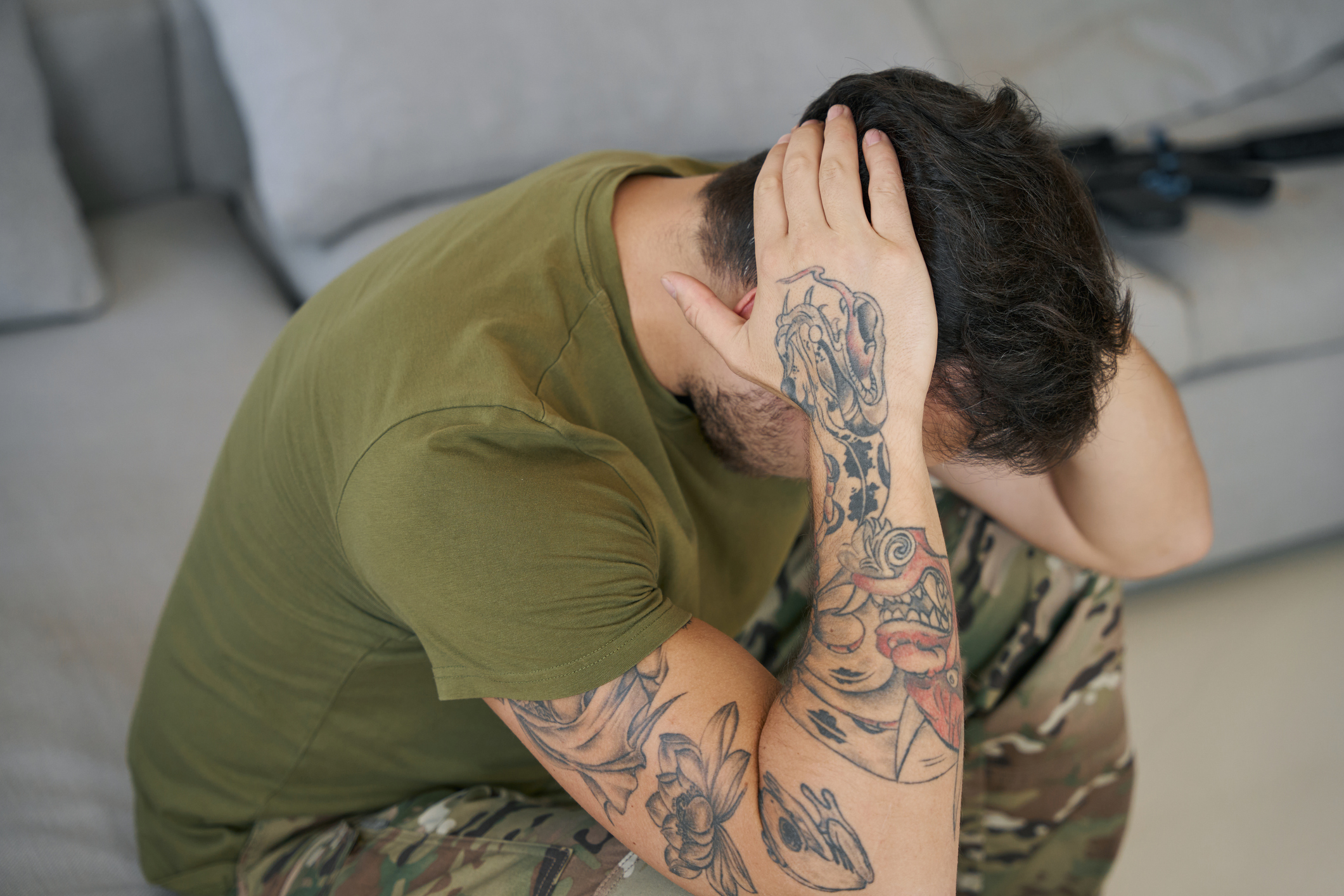
Over the course of their lives, about 6% of Americans will experience Post-Traumatic Distress Disorder (PTSD), and as many as 29% of military veterans experience symptoms of PTSD during their lives.
PTSD occurs when either you or a loved one is exposed to a life-threatening, traumatic situation.
“You define whether it was life-threatening,” explains Richard Jones, Youturn Health Chief Clinical Officer. “Your perception of the event is what’s important. If you perceive that you’re in danger, if you perceive that your loved one is threatened.”
This traumatic situation could be a one-time event or it could be something that happens over and over again.

Substance Use Disorders in Military Veterans — Problems Associated with Access to Care
Zachary Goff is a Recovery Coach Manager at Youturn Health, who leads a team of peer coaches working with individuals with substance misuse, veterans and military active-duty personnel and re-entry services. He is a person in long-term recovery and is currently pursuing a degree in social work.
In 2019, I was afforded the opportunity to participate in a Veterans Affairs (VA) Medical Center 28-day inpatient treatment program for co-occurring Post-Traumatic Stress Disorder (PTSD) and Substance Use Disorder (SUD). While this opportunity ultimately saved my life and opened the door to sustained recovery, it opened my eyes to the barriers many military veterans and active-duty servicemen and women have regarding access to behavioral health treatment.

Military Sexual Trauma (MST): What it Means and Where to Get Support
Military sexual trauma (MST) refers to sexual assault or threatening sexual harassment during military service. It includes any sexual activity to which a person doesn’t consent or is unable to consent (e.g., while asleep or intoxicated).
Some examples of MST are if someone feels pressured to engage in sexual activities, is physically forced into sexual activities, or receives unwanted sexual advances they find threatening. This may or may not include threats of punishment if the person doesn’t participate or promises of rewards if they do. It can also include comments about a person’s body or sexual activities or unwelcome physical advancements (e.g., being touched or grabbed) in ways that are threatening or that make them feel uncomfortable.
November is National Gratitude Month
Practice Gratitude
Thanksgiving has traditionally been a day when we give thanks for the many blessings in our lives.
However, practicing gratitude is something that should be often, not just once a year.
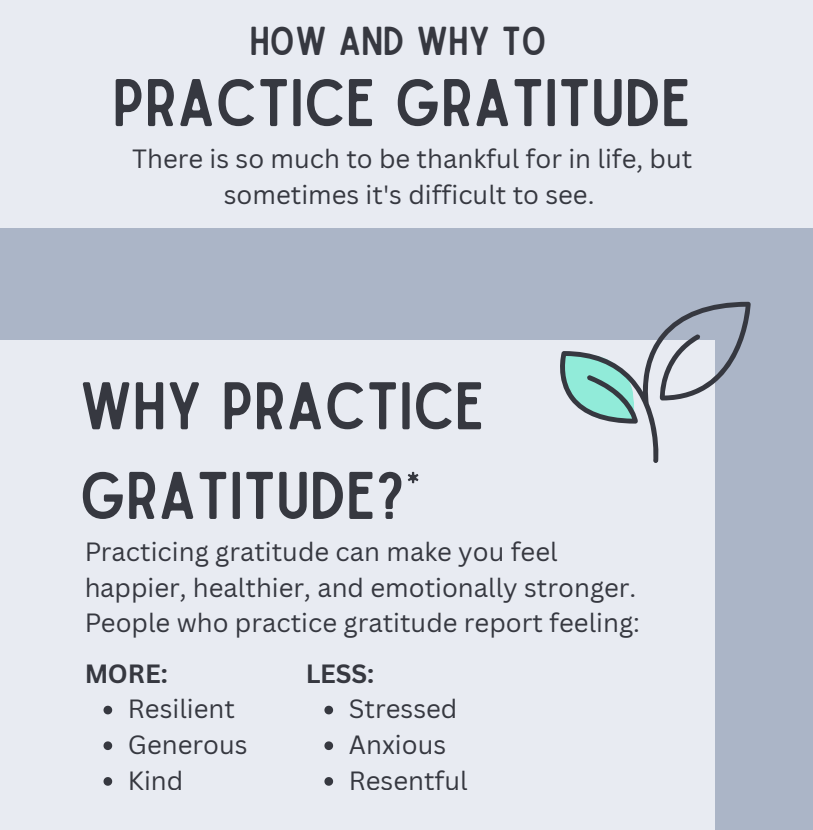
Download the latest IMAP infographic and discover some of the many ways you can practice gratitude and discover the benefits of doing so.
Healthy Eating Habbits

Healthy Eating During the Holiday Season
The holiday season can be an extremely tough time for anyone battling disordered eating and body image, from numerous conversations about food and diets to seeing family members who may provoke unpleasant emotions.
If you’re recovering from or living with an eating disorder, or if you’re concerned about healthy eating during the holidays, here are a few tips to guide you.

The Relationship Between Substance Use Disorder and Eating Disorders
You’ve probably heard of eating disorders and substance use disorders, but are they really two sides of the same coin? Why do they often occur together? We’ll explore what these conditions are, how they overlap and resources if you or a loved one is struggling.
Substance use disorder (SUD) is a chronic brain disease – it affects all aspects of life, including social relationships and work performance, as well as physical health. SUD is complicated by the fact that it can co-occur with other mental health conditions. These co-occurring disorders are sometimes referred to as dual diagnosis or comorbidities. For example, someone with an eating disorder (ED) may also use drugs or alcohol to cope with their symptoms and vice versa.
IMAP Wallet Card
Nothing But Love Notes
Natalie June Reilly is an author and a disarming thought leader who speaks to the power of gratitude. From a place of profound loss, Natalie built an empire of love and hope for herself and her community. With infectious energy (and a handful of her favorite first responders), Natalie challenges organizations to dig deeper when establishing more meaningful relationships—personal and professional. She has created and cultivated a nationwide movement of handwritten Love Notes, a courageous approach to human connection in today’s digital world.
Veterans Suffering with PTS Get a Helping Hand From this Dynamic Duo
Tom and Jenn Satterly are all about helping veterans and their families. Tom is a retired CSM Delta Force and Jen Satterly was previously embedded in Realistic Training Missions with Special Operations units as Director of Film and Photography. When their relationship began, Tom was not in a good place mentally, but could not figure out what was causing his anger and excessive drinking. He finally had a therapist explain to him that he was suffering from PTS and needed to deal with it. From that point on, things slowly began to change and as he began to help others, he truly found his calling. Their mission is to help Veterans returning home but more importantly to support the family. They know that helping the family members is a huge piece of the puzzle.
Veterans Unfiltered with Zach Goff and Rich Jones
Every day we hear about the lack of care and services available for veterans. A huge majority of veterans return home with PTSD and struggle to find their way-often turning to drugs and alcohol as a way to escape their pain. Over 22 percent of the annual suicides in the U.S. are military veterans. Whatever is being done to help them is simply not enough. Youturn Health is using peer support specialists to bridge the gap and help veterans in every facet of their lives.
Eating Disorders Directly Related to Anxiety Disorders
Jeni Cain is more than just the owner of an extremely successful boutique in Greenville, SC. Although she is quite impressive with her business acumen and top-notch fashion sense, you will learn from today’s podcast that she can also play the part of therapist and cheerleader, winning you over with her infectious sunny outlook on life. She always says what you didn’t even know you needed to hear. I personally always feel better after our conversations. So it’s no wonder that she is an open book about her struggles with bulimia and anxiety. She is in recovery and openly talks about her journey in order to help others.
Disordered Eating with Tiffany Godwin
Listen as Liz and Tiffany discuss the stigma associated with eating disorders and the myths that surround them. By talking about this on the podcast we hope to bring this into the light, disbanding shame and secrecy. There is hope, there is help.