
IMAP News March 2026
Insulators Member Assistance Program Update
Rich’s Rants
Each month, the LMCT IMAP Newsletter will feature the “rants” of Youturn Health Chief Clinical Officer Rich Jones.
Check out this short video as Rich, who is recognized nationally as a subject matter expert on substance use disorder (SUD) and healthcare and recovery integration, introduces viewers to concepts and ideas that can help you make it through the day after dealing with stress and everyday issues.
March Focus: Relapse Prevention
Sleep Awareness Week: March 8-14

Recognizing Triggers and Developing Coping Skills to Maintain Recovery on St. Patrick’s Day
St. Patrick’s Day is technically a day to observe the death of the patron saint of Ireland, but Americans celebrate by wearing green, eating corned beef and cabbage, and drinking beer and Irish whiskey. And we drink a lot on St. Patrick’s Day. If you are newly sober or are struggling with your recovery, that can be a source of stress. Recognizing triggers and developing coping skills can help you maintain recovery on a day when drinking is so prevalent.
How Sleep Affects Mental Health
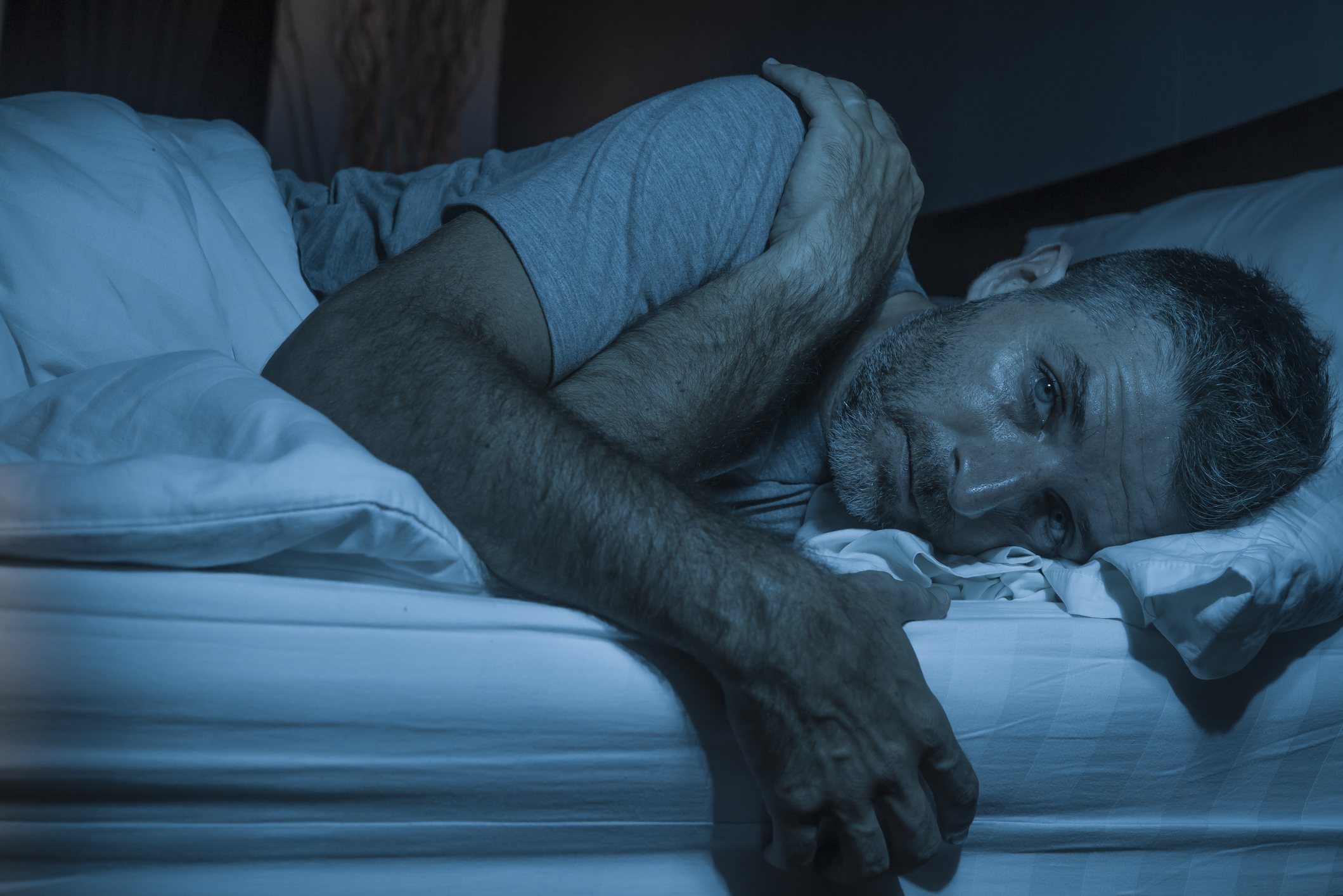
Sleep is critical to mental and physical health. It allows for your body to recharge and your brain to heal and process the day’s events. Unfortunately about 37% of Americans get fewer than the recommended 7 hours of sleep per night. While most people can recover from a short-term spell of poor sleep, chronic sleep deprivation can take a serious toll on your health, especially your mental health.
In March, we recognize both Sleep Awareness Week (March 8-14) and World Sleep Day (March 13), which aim to remind us that sleep is core to our health and help identify ways to improve the quality of our sleep.
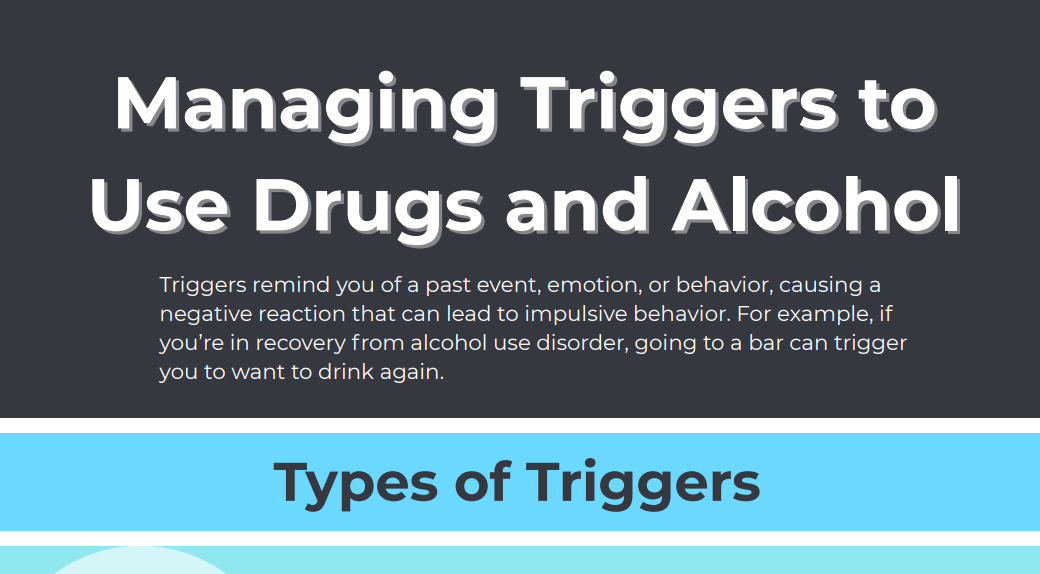
Infographic: Managing Triggers to Use Drugs and Alcohol
Triggers remind you of a past event, emotion, or behavior, causing a negative reaction that can lead to impulsive behavior. For example, if you’re in recovery from alcohol use disorder, going to a bar can trigger
you to want to drink again.
Download this infographic and discover the types of triggers and how to manage them.
IMAP Wallet Card
Recovery, Relapse, Abstinence, Your Journey is Unique
This Critical Conversation was taped several years ago. While some of the opinions have certainly changed, we don’t have all the answers and don’t pretend to. The bottom line is that everyone’s journey is unique, and just because we don’t understand, this does not leave room for judgment. Open minds create change.
Sleep Directly Affects Our Mental Health
Shift workers, such as First Responders, tend to get 2-4 hours less than required, and often these hours are split throughout the day. Chris Crowley and Danielle Cook explain the importance of sleep on our physical and mental health while also giving practical solutions to those whose jobs do not allow for 7-9 continuous hours of rest. This podcast will give those struggling with sleep disorders the education they need and provide hope that there are ways to help their bodies get the rest they need.
Addiction is About the Pain of Mistaken Identity
This fascinating podcast features Paul Noiles, who wrote the book “The Mistaken Identity: A Sacred Journey from Addiction to Awakening.” He explains that people use their addiction to hide the fact that they don’t know or like who they are. Everyone experiences trauma, and not addressing the root issues will lead to relapse. Listen to this podcast as the nuggets of wisdom and truth fill the conversation.
John Watson on Overcoming a 22-Year Opioid Addiction
John Watson was 17 when his best friend was in an accident and given OxyContin for the pain. Kids being kids, John and his friend discovered that this pill made them feel very good. At the time, no one knew the addictive nature of these drugs, and John thought he was just having fun and experimenting. Eight years later, he realized he was trapped and could not stop using on his own. When he couldn’t find any on the street, he turned to heroin, something he said he would NEVER do. Listen to John tell his story about how opioids hijacked his brain, stole years of his life, and almost killed him. Despite knowing he was on a downward spiral for years, his family never turned their back on him. If you want to better understand the realities of opioid addiction and gain hope when it seems all is lost, listen to John Watson’s story, and you will know that everyone can recover.