IMAP News August 2026

Insulators Member Assistance Program Update

Rich’s Rants

Each month, the LMCT IMAP Newsletter will feature the “rants” of Youturn Health Chief Clinical Officer Rich Jones. 

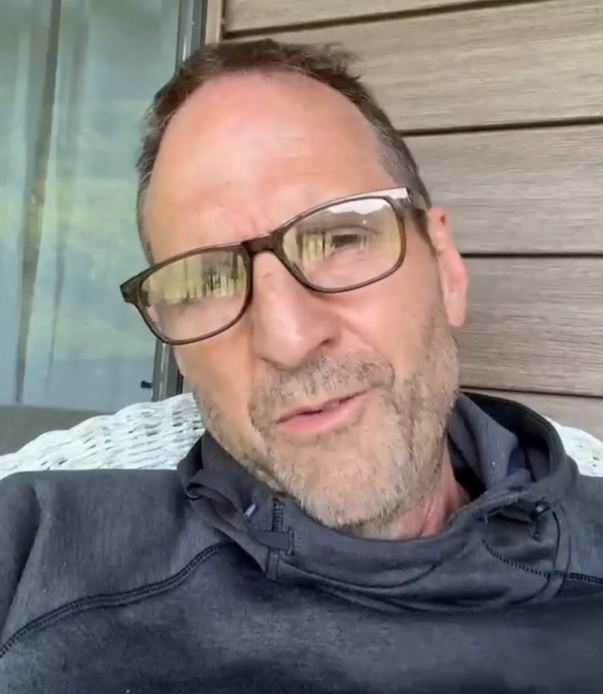
Check out this short video as Rich, who is recognized nationally as a subject matter expert on substance use disorder (SUD) and healthcare and recovery integration, discusses grief. 
Richard Jones | Rich Rants | LMCT

August 21: National Fentanyl Prevention Awareness Day

August 31: International Overdose Awareness Day
Prescription bottle for Oxycodone tablets and pills on glass table with reflections | LMCT

The Opioid Crisis: A Timeline

Since the opioid crisis began in 1999, the Centers for Disease Control and Prevention (CDC) estimates that over 806,000 people have died from opioid overdoses. While it’s encouraging that opioid overdose deaths decreased in 2024, it’s important to understand how this epidemic unfolded over the past 25 years. Researchers have tracked three distinct waves of the opioid crisis.

The following is a high-level summary of the opioid crisis. For more in-depth information, read Dreamland: The True Tale of America’s Opiate Epidemic, which covers the epidemic’s origin in detail.

LMCT | Mental Health Awareness | Asking For Help

Ambivalence: Entering Residential Treatment

Ambivalence is a word that comes up often in the world of recovery, as it applies to almost everyone who has experienced or currently lives in active addiction. The definition of ambivalence is “the state of having mixed feelings or contradictory ideas about something or someone.” As a person who was so deep in active addiction, that “something” was the idea of ever getting the help I longed for. It felt completely out of reach, not because of a lack of support or resources, but because of the conflict within myself to change my way of life. There were so many reasons beyond the stigma of addiction and fear of asking for help that kept me sick for so long.

Father drinking on couch | Mother and daughter huddling away from him | LMCT | IMAP

11 Things Everyone Should Know About Addiction and Recovery

When I was in active addiction, I was vaguely aware of what “addiction” was. My job exposed me to the mental health world as I worked within a healthcare system, and I was aware that the Diagnostic and Statistical Manual (DSM) was “The Book” used to diagnose both mental health and substance use disorders.

On many occasions, I found myself looking over “The Book’s” criteria for substance abuse and dependency, as it was called at that time (1998). I read the criteria over and over again, dissecting the words to see if they applied to me. I was not living under a bridge, eating out of a dumpster or in jail. I was losing my family, but I had not lost my family.

Mechanical Insulators LMCT | Parent Confronting Adult Child

Loving Someone with Addiction

As I am writing this blog post, my son is in the hospital being treated for ketoacidosis and, yet again another detox.  At 37 years old, he can no longer tolerate the effects of alcohol, even after a short binge.

It is such a helpless feeling as a parent to watch as your child, no matter what age they are, destroys their bodies and their lives.

For the past 22 years, I’ve sought to find answers and help. I have studied multiple pathways, and in so doing, I’ve discovered that they can all be successful for some.  There is not “one right way to get sober.”
Opioid Use Misuse Recovery Graphic

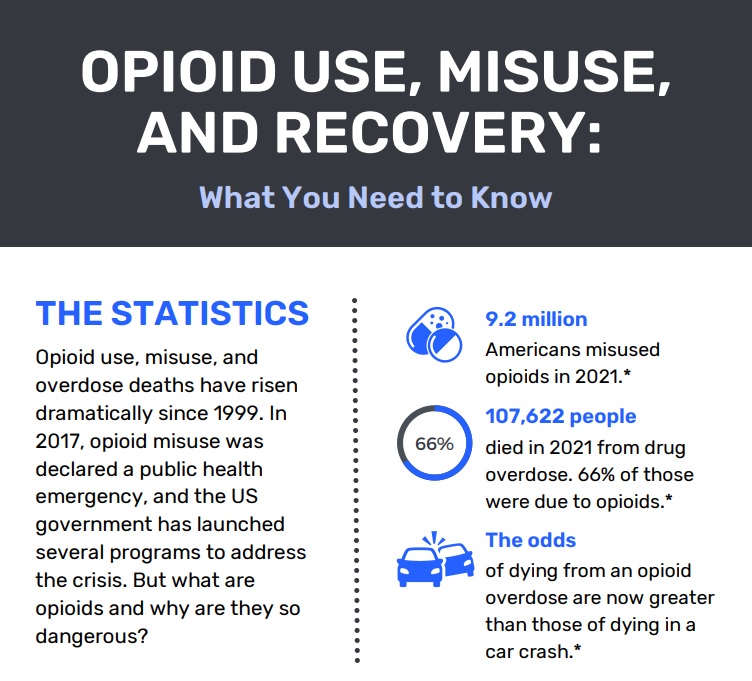
Infographic: Opioid Use, Misuse and Recovery

Opioid use, misuse and overdose deaths have risen dramatically since 1999. In 2017, opioid misuse was declared a public health emergency, and the U.S. government launched several programs to address the crisis.

Download the infographic to learn about opioids and why they are so dangerous.
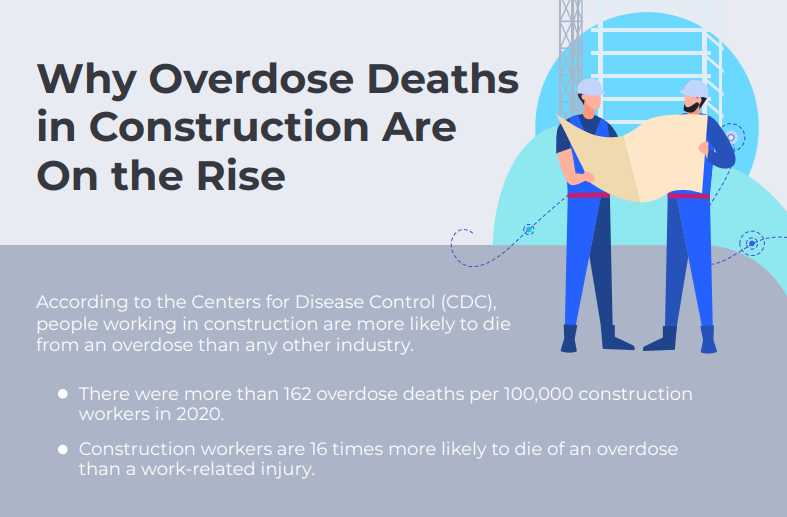
LMCT | Why Overdose Deaths In Construction Are On The Rise

Infographic: Why Overdose Deaths In Construction Are On The Rise

According to the Centers for Disease Control (CDC), construction workers are 16 times more likely to die of an overdose than a work-related injury.

Down this infographic and learn more about this staggering number and how employers can help.

Featured Videos and Reels

Opioids in the Workplace

Opioids Also Relieve Psychological Pain

CEO of Youturn Health Hamilton Baiden Gets Real About His Journey With Opioids

Warning about Fentanyl

Rich Finds Recovery From Opioids

Fake Xanax vs. Real Xananx

Member Testimonial

Here’s a glimpse into my TikTok algorithm. I came across a video that said some of the trades with the highest rates of anxiety, stress and depression are Laborers, Plasterers and Operating Engineers. All three are building trades, and it really got me thinking. My dad was in the trades, my ex-husband is in the trades, my brother, cousins, my 18-year-old son and so many of my friends are too. So, when I heard that, my first thought was, “Why?”

I agree with Rich (Jones) that it has to be more than personal issues or bad assumptions. These jobs are stressful. Anyone who’s been around construction for any length of time knows the pressure is real. Every day it’s schedules, deadlines, manpower shortages, weather delays and the constant push to get the job done while staying under budget.

That pressure isn’t just on the people doing the physical work. It lands on the superintendents, foremen and crew leaders too. They’re constantly hearing about production, budgets, labor hours and keeping the job moving. Stay under budget. Save hours. Get it done. Day after day.

Eventually, all that stress rolls downhill and turns into this avalanche of frustration, self-doubt and pressure that people carry around every single day.

I understand construction is a business and money matters. I’m not naïve to that. Sometimes it feels like the budget becomes the main goal. Not safety. Not quality. Just numbers on a spreadsheet.

After a recent conversation with Insulators LMCT Executive Director Pete Ielmini, I had gone down a TikTok rabbit hole, watching videos from workers on jobsites discussing exactly these issues. Study after study says construction workers experience higher rates of stress, anxiety and depression than many other professions because of long hours, heavy workloads, tight deadlines and lack of support.

However, part of me also wonders whether those stress factors exist in many professions. Brain surgeons, first responders, air traffic controllers, people who deal with life-and-death situations every day — they all carry tremendous pressure too.

When I had surgery last year, I remember asking my surgeon if she got a good night’s sleep and if her head was in the game that day. Then I said a prayer, the anesthesiologist gave me the magic medicine and it was “Say goodnight, Gracie” for me.  For me, the bigger point is that mental health isn’t separate from safety; it is safety.

We’ve spent years talking about hard hats, harnesses, confined space training and all the things that keep people physically safe. That’s important. Maybe it’s time we talk more openly about the mental and emotional toll this work takes, too. At the end of the day, success shouldn’t just be measured by whether a project came in under budget. It should also be measured by whether the people who built it went home safe, healthy and able to enjoy life with their families.

In my opinion, the men and women who are working in confined spaces, hundreds of feet in the air, in the heat, cold, rain and sometimes 12 hours a day, seven days a week, are absolutely going to have moments where they think, “I just want this to be over.”  A doctor can step away and generally know their position is still there when they come back. However, many tradespeople don’t always feel that same security. Sometimes they feel that if they stop, somebody else will take their place. 

Anyway, that’s my rant, much like Rich’s rant. My rant is over.  But I’m all in on this movement, too.

Sign up to receive future LMCT IMAP newsletters

This field is for validation purposes and should be left unchanged.
Name