IMAP News September 2026
Insulators Member Assistance Program Update
Rich’s Rants
Each month, the LMCT IMAP Newsletter will feature the “rants” of Youturn Health Chief Clinical Officer Rich Jones.
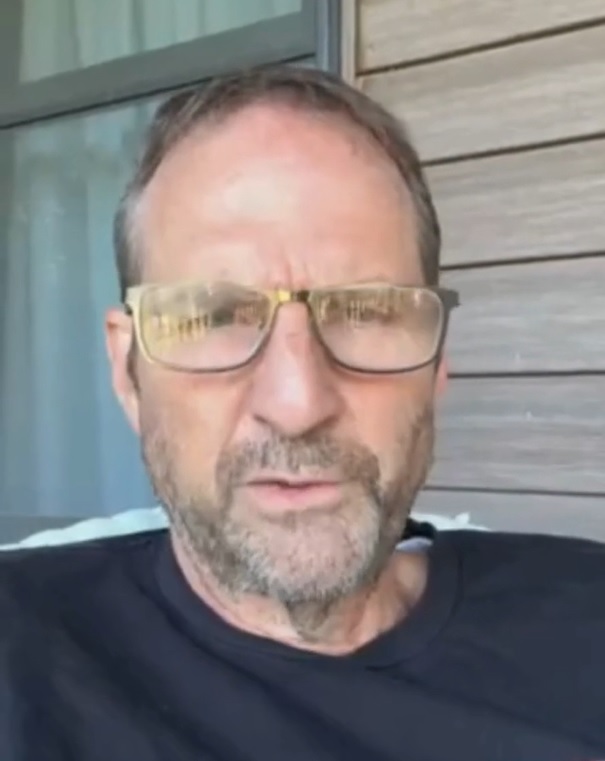
Check out this short video as Rich, who is recognized nationally as a subject matter expert on substance use disorder (SUD) and healthcare and recovery integration, discusses suicide prevention.
September: National National Alcohol and Drug Addiction Recovery Month
September: Suicide Prevention Month

The Role of Peer Support in Treating Substance Use
Over 48 million Americans, or almost 17 percent of the population, struggled with a substance use disorder (SUD) in 2024. Only 12 percent of them received treatment for their SUD. The current model of treatment that relies on rehab and 12-step programs does work, but it doesn’t work for everyone. Why don’t people get treatment, and how can we reach them before they hit rock bottom?

Self-Care: More Than Bubble Baths and Spa Days
I have heard about the importance of self-care ever since I entered a treatment facility 20 years ago. Every time, I would roll my eyes, shake my head, and let a very valuable lesson go in one ear and out the other.
There were times in my life when I thought I was practicing self-care. If I was going out with friends or eating good food, I assumed that what I was doing was enough. Through years of substance use disorder, abuse, and absolute chaos, I learned that self-care looks a lot more like self-love than anything else.
I got clean nearly five years ago, and when I put down the drugs and alcohol, that was a form of self-care—and I didn’t even know it. I chose to stop putting things into my body that were slowly killing me. Although it was necessary, I didn’t view it the way I do now. I was practicing self-care without even noticing it.

California Sober: Can I Use Marijuana if I’m In Recovery?
When I was a young, wannabe delinquent coming up in the 1980s, life was simple and certain things were accepted as fact. Beyond debate. Among these “universal truths” were the following: cartoons were true artistic productions reserved for Saturday mornings, Lucky Charms was hands down the best cereal choice, and marijuana was a potentially dangerous drug. When we wanted to use marijuana, we had to sneak off, go find a dealer, hide in the woods, and basically treat it as we did any other drug. Granted, a much less dangerous drug. But a “drug” none the less.

Suicide Prevention Resources: How to Get Help By Phone, Text and Chat
September is National Suicide Prevention Month and a time to highlight resources and bring hope to those who are fighting suicidal thoughts. There is a lot of stigma around suicide, but it’s important to know that suicidal ideation is common. The Substance Abuse and Mental Health Services Administration (SAMHSA) found that 14.3 million adults and 2.6 million adolescents had serious thoughts of suicide in 2024. The stigma around suicide makes people feel isolated, hopeless, and less likely to get support. In fact, if you’re dealing with a a mental health-related challenge, there is nothing wrong with you, you are not alone, and you deserve help.

Suicide Prevention: Risk Factors, Red Flags and How to Get Help
September is National Suicide Prevention Month and before I get too far into it, I want to acknowledge those of you who have lost someone due to suicide. Death by suicide can be filled with so much stigma, that it can be very hard to grieve their death. For those of us who have lost someone to suicide, we can feel a tremendous amount of survivor’s guilt, which is normal, but we cannot let it consume us. It is important that we try not to spend our time in the past focusing on the “what if’s” – we need to find people we can trust to help us process everything, share our loved one’s story, and, when we are ready, help to educate ourselves and others on suicide prevention techniques.

Dispelling Myths About Suicide and Substance Abuse
There is a strong connection between mental health and substance misuse: NIDA reports that 50 percent of people with substance use disorder are also managing a mental health issue and vice versa. Whether they’ve been diagnosed or not, people often drink or use drugs to relieve stress or symptoms of mental illness. But using drugs and alcohol to cope usually only has a temporary numbing effect and can end up worsening mental health.
There is a strong relationship between substance misuse and suicide, and it’s not common for people to seek treatment for either. So what can we do about it? Addressing the myths around both conditions may help us be more prepared to support those who need it
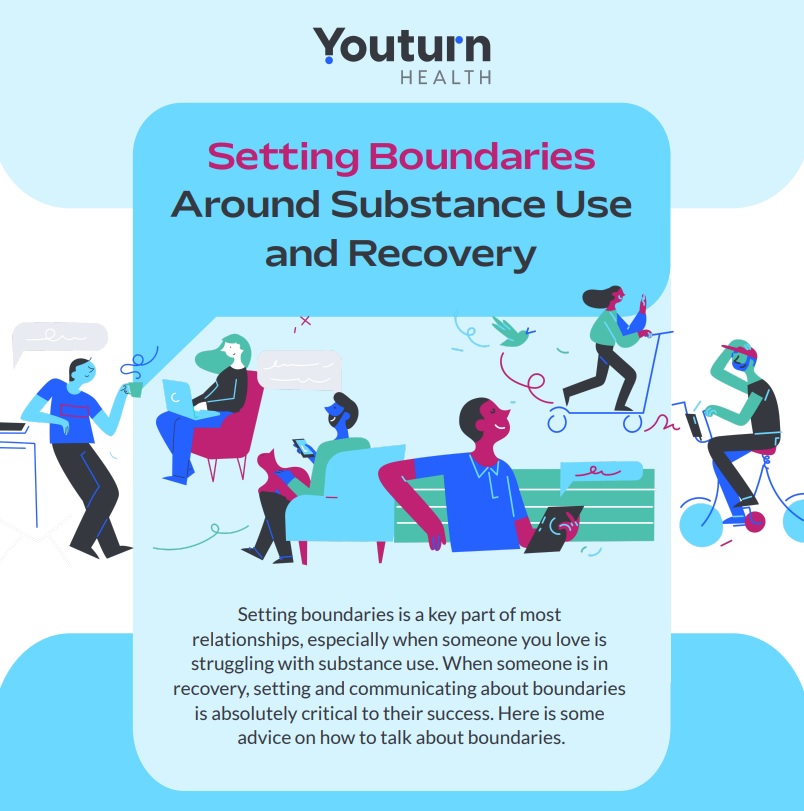
Infographic: Setting Boundaries Around Substance Use and Recovery
Boundaries define how you want to be treated in a specific situation.
They differ from tough love, which can involve isolating someone as a
means to get them to change their behavior. Rules and ultimatums also
focus on changing someone else’s behavior. Boundaries are all about you.
Download the infographic to learn to identify and implement boundaries.
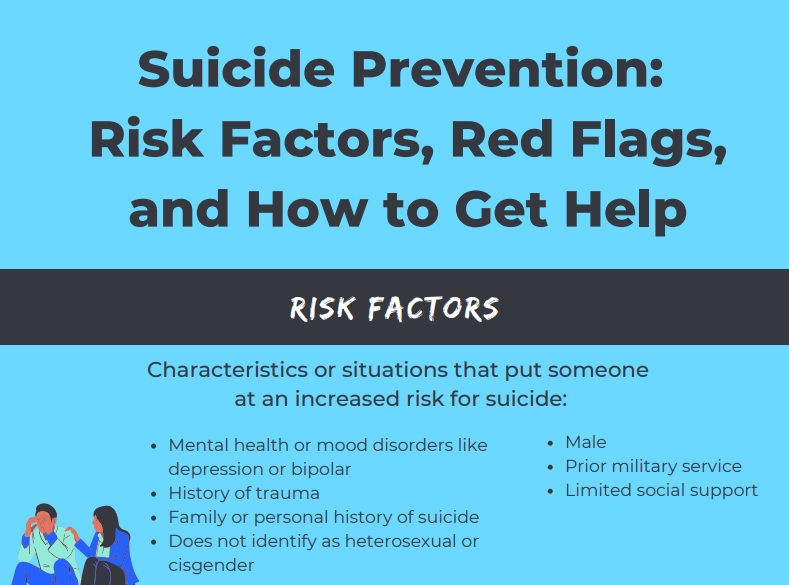
Infographic: Suicide Prevention: Risk Factors, Red Flags and How to Get Help
Characteristics or situations that put someone at an increased risk for suicide:
- Mental health or mood disorders like depression or bipolar
- History of trauma
- Family or personal history of suicide
- Does not identify as heterosexual or cisgender
- Male
- Prior military service
- Limited social support
Down this infographic and learn more about suicide prevention, including risk factors, red flags and how to get help.
.
IMAP Wallet Card